Illuminating the Absolute
Deconstructing the profound, eternal science of Bhakti Yoga into practical, transformative methodologies for the contemporary seeker.
Deconstructing the profound, eternal science of Bhakti Yoga into practical, transformative methodologies for the contemporary seeker.
T
he core of Hrdaya Caitanya Dasa's teachings does not attempt to invent new philosophies; rather, it serves as a pristine, transparent medium for the ancient conclusions (siddhanta) of the Gaudiya Vaishnava lineage. At the very center of this massive spiritual edifice is the foundational understanding that the living entity (jivatma) is an eternal fragment of the Supreme Whole, Lord Krishna, and that true, unending happiness can only be awakened through comprehensively reviving this dormant, loving relationship.
In his exhaustive public discourses, he vigorously challenges the toxic modern paradigm that stubbornly equates material technological advancement with genuine human progress. By drawing heavily on the rigorous epistemological frameworks established in the Bhagavad-gita and the Srimad Bhagavatam, he argues forcefully that without addressing the root consciousness of the individual, all sociopolitical and economic solutions remain dangerously superficial and ultimately temporary.
"We are searching for water in a mirage. The infinite thirst of the soul cannot possibly be quenched by the dry dust of the material world. It requires the nectar of the divine name and selfless loving service."

Understanding the eternal nature of the self.
The starting point of all genuine Vedic teaching is the clear demarcation between the physical body and the conscious self. Hrdaya Caitanya Dasa meticulously explains the science of reincarnation and karma not as mystical beliefs, but as precise natural laws governing the transmigration of the eternal consciousness through temporary biological vehicles.
By systematically dismantling the illusion of identifying the self with the perishable body (ahankara), he liberates students from intense existential anxieties surrounding death, bodily aging, and temporary material losses. This profound realization of eternality forms the absolute bedrock upon which all further advanced practices of Bhakti are confidently built.
A recurring, dominant pillar in his teachings is the immense transformative power of the maha-mantra. Hrdaya Caitanya Dasa explains that mantra literally translates to that which forcibly delivers the mind (manas - mind, tra - to deliver). In the current, degraded age of Kali, primarily characterized by intense social friction and political hypocrisy, the specific prescribed method for self-realization is the attentive chanting of the holy names.
He repeatedly emphasizes that this vital chanting must eventually transition from a mechanical or offensive stage to a purely attentive, offensively-clear stage (suddha-nama). His advanced seminars extensively and clinically break down the ten primary offenses against the Holy Name, providing practical, step-by-step psychological methodologies for practitioners to relentlessly refine their concentration and invoke genuine spiritual emotion rather than mere dry, intellectual understanding.
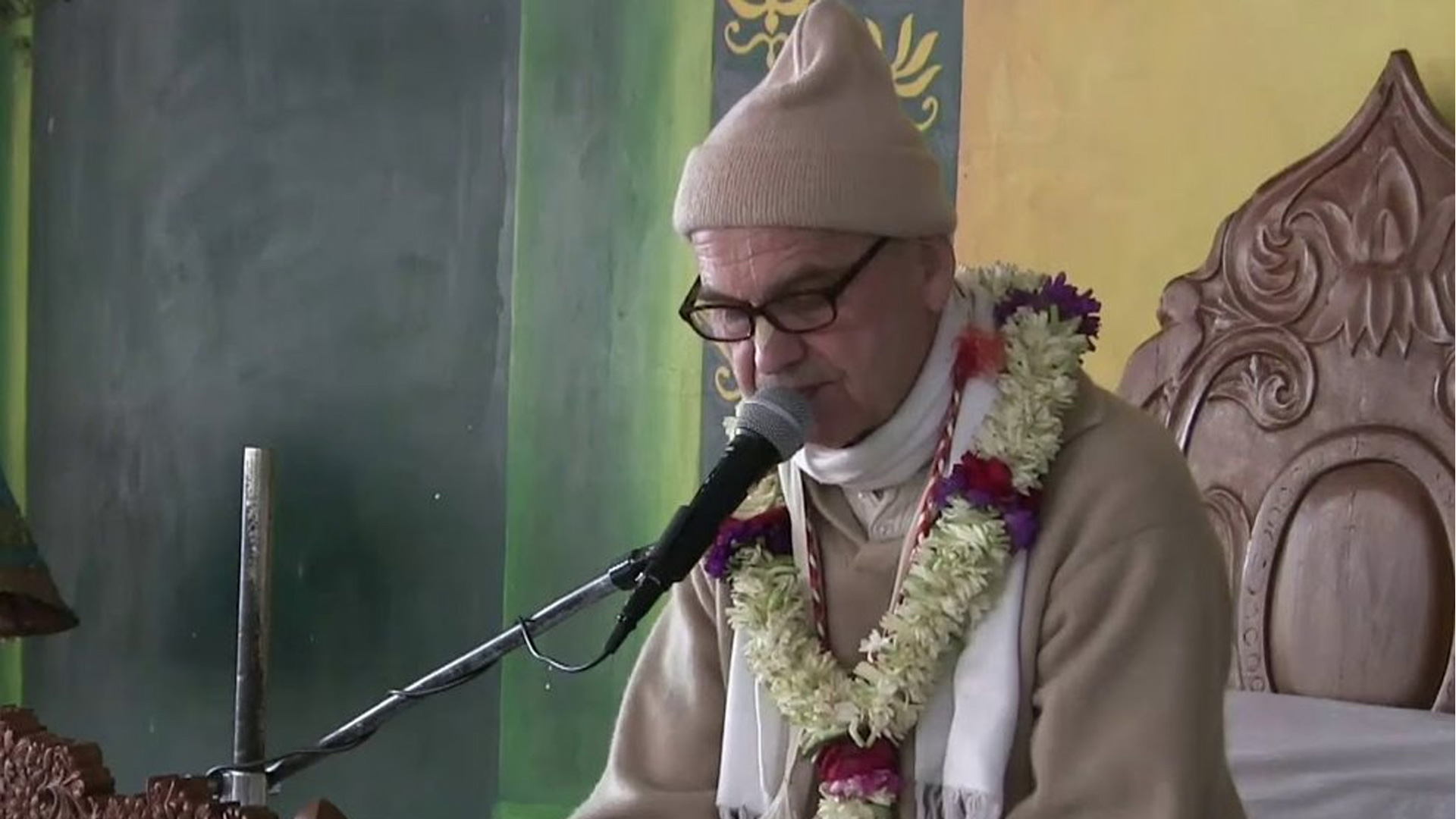
One of the most pressing challenges for contemporary practitioners is balancing the stringent demands of advanced spiritual life with the extreme pressures of the modern corporate and social world. Hrdaya Caitanya Dasa provides exceptional clarity on the concept of yukta-vairagya (practical renunciation). He teaches that true renunciation does not simply mean artificially abandoning the world and fleeing to the forest.
Instead, he instructs individuals on how to expertly utilize modern resources, wealth, professional talents, and technology directly in the service of the Supreme. By spiritualizing daily duties—whether one is an engineer, a mother, or an artist—he proves that the ancient paths of Bhakti are perfectly designed to be executed amidst the clamor of modern urbanization, provided the core motivation remains firmly fixed on pleasing Krishna.
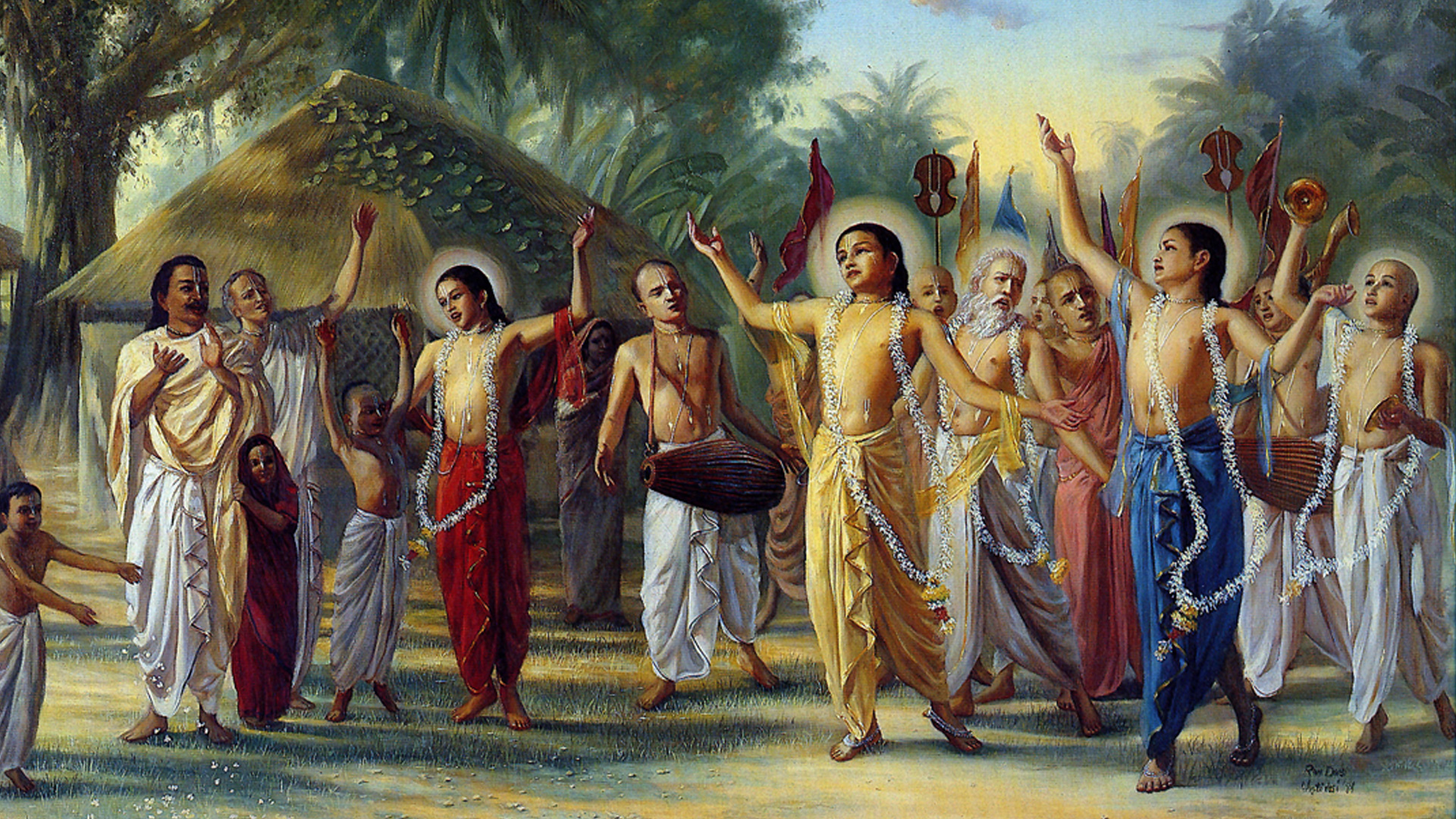
Decoding the ultimate manual for human existence.
In his thousands of hours of recorded lectures, Hrdaya Caitanya Dasa returns continuously to the Bhagavad-gita as the absolute supreme authority. He systematically explains the five main truths discussed in this epic dialogue: Isvara (the Supreme Controller), Jiva (the living entities), Prakriti (material nature), Kala (time), and Karma (action).
He brilliantly unpacks the psychological masterpiece of Arjuna's battlefield crisis, mapping it directly onto the chaotic internal battles faced by modern individuals. By emphasizing the ultimate, concluding instruction of the Gita—total surrender unto the Supreme Lord—he guides seekers unequivocally out of the labyrinth of endless philosophical speculation and directly into the clear, vibrant realm of joyous, active devotional service.